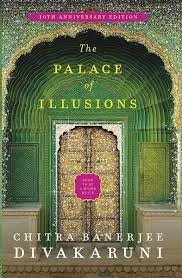
Chitra Banerjee Divakaruni’s The Palace of Illusions is a feminist retelling of the ancient Indian epic, the Mahabharata, told from the perspective of its fire-born heroine, Panchaali (Draupadi). In a world of warriors, gods, and fate, Panchaali navigates a complex life from her fiery birth and marriage to the five Pandava brothers, through years of exile and a terrible civil war.
The Pilgrimage by Paulo Coelho is a part-travelogue, part-spiritual guide based on the author’s 1986 journey along the Camino de Santiago trail in Spain. The story recounts Coelho’s quest to find a miraculous sword, a requirement for his initiation into the order Regnus Agnus Mundi (RAM).
The Poppy War is a dark and brutal military fantasy inspired by 20th-century Chinese history and mythology. The story follows Fang Runin (Rin), a war orphan who, against all odds, aces a national exam to gain entry into the most elite military academy in the Nikara Empire.
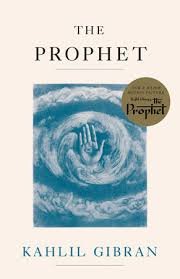
Kahlil Gibran’s The Prophet is a collection of 26 poetic essays delivered by the prophet Al-Mustafa to the people of the city of Orphalese as he prepares to return home after 12 years of exile. Through lyrical prose, Al-Mustafa offers his wisdom on universal themes concerning the human condition, including love, work, joy and sorrow, freedom, and death.
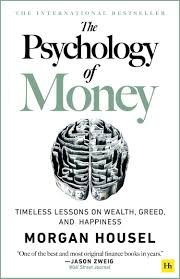
The Psychology of Money is a book by Morgan Housel that explores how human behavior, emotions, and psychology—not just math—drive financial decisions. It uses 19 short stories to explain timeless lessons on wealth, greed, and happiness, revealing that managing money successfully is more about your behavior than your financial knowledge. The book argues that personal history, ego, and unique worldviews significantly shape our financial choices, making self-awareness, humility, and patience crucial for long-term wealth building.
In order to provide you a personalized shopping experience, our site uses cookies. By continuing to use this site, you are agreeing to our cookie policy.